


Binance is still one of the first exchanges many traders try, but using it well is a different skill from simply opening an account. The basics matter: choosing the right market, understanding order types, checking networks before transfers, and not wandering into leverage before you can handle spot trading calmly.
This guide walks through how Binance works for beginners, how to fund and secure an account, and how to place trades without making the classic avoidable mistakes. If you want the wider context first, start with our crypto trading guide.
What is Binance?
Binance is a cryptocurrency exchange where users can buy, sell, hold, and trade digital assets. Since launching in 2017, it has grown into a broad ecosystem that includes spot markets, derivatives in supported jurisdictions, wallet services, staking and earn-style products, launch features, and blockchain infrastructure.
The important part for most readers is simpler than that: Binance is a place to access crypto markets, manage balances, and execute trades. What you can actually use depends on your country, local rules, and account verification status. Product availability, fees, and supported payment methods can change, so it is worth checking Binance’s official help pages before funding an account.
Why traders use Binance

Binance remains popular for a few practical reasons:
- Deep liquidity on major pairs, which can help with tighter spreads and smoother execution
- A large range of markets, from major coins to smaller altcoin pairs
- Flexible trading tools, with simple buy/sell flows for beginners and more detailed screens for active traders
- One account for multiple functions, including trading, transfers, and asset management
That said, more features do not automatically make trading easier. For beginners, too much choice can be the problem. Binance gives you plenty of tools, but it will not stop you from clicking the wrong network, using a market order in a thin market, or taking on leverage too early. That part is still on you.
Security basics before you create an account
Before you sign up, make sure you are on the official Binance website. Phishing pages, fake ads, and cloned login screens are still common. A polished fake is still fake.
Once your account is open, do the boring security work first:
- use a unique, strong password
- enable two-factor authentication
- review withdrawal security settings
- watch for device or login alerts
- avoid keeping more funds on an exchange than you need for active trading
For broader consumer cybersecurity basics, the Cybersecurity and Infrastructure Security Agency has clear guidance on passwords, phishing, and account protection.
How to create a Binance account
Opening an account is usually straightforward. Go to the official Binance site, choose the registration option, and sign up with your email address or another supported login method. You will then create a password and complete the verification steps required for your region.
After registration, confirm your email and set up two-factor authentication before depositing anything. Depending on where you live and which features you want to use, Binance may also require identity verification. That can affect fiat access, withdrawal limits, and which products are available to you.
If you are completely new to exchanges, start with the simplest possible setup: verified account, strong security, small deposit, spot market only. You do not need to unlock every feature on day one.
How to add funds to Binance
There are usually two main ways to fund a Binance account: crypto deposits and fiat purchases where supported.
Crypto deposit: If you already hold crypto elsewhere, select the asset inside Binance, generate the deposit address, and send funds using the correct network. This is where beginners make expensive mistakes. The asset and network both need to match what the sending wallet or exchange supports.
Fiat purchase: In supported regions, Binance may offer bank transfer, card payments, or local payment methods. Availability and fees vary by country, so compare the options before you rush through checkout.
One rule is worth repeating: always double-check the network before sending funds. A transfer sent on the wrong chain can be delayed, require manual recovery, or be lost entirely.
Understanding the Binance trading screen
Once your account is funded, head to the spot market and choose the trading pair you want. A pair shows what you are buying and what you are paying with. In BTC/USDT, for example, you are trading Bitcoin against Tether.
The trading screen usually includes:
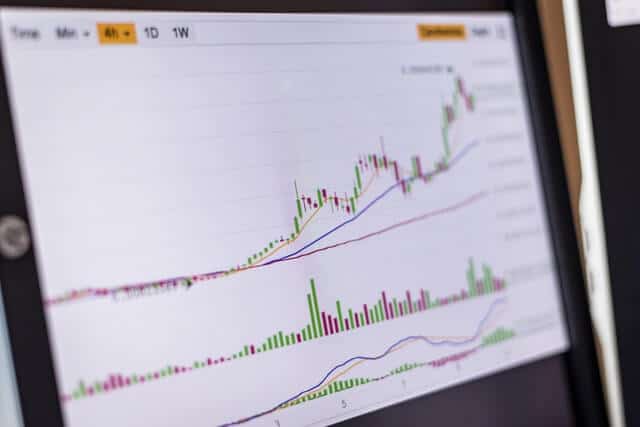
- a price chart
- the order book
- recent trades
- the order-entry panel
- your open orders and trade history
For beginners, the order-entry panel matters most. That is where you choose the order type, set your price if needed, enter the amount, and submit the trade.
If you want to improve execution instead of just reacting to candles, it helps to understand chart structure and common setups too. Our guide to crypto trading patterns is a useful next step.
Spot trading on Binance
Spot trading means you are buying or selling the actual asset at the current market price or at a price you choose with a pending order. For most beginners, this is the right place to start.
A simple spot workflow looks like this:
- choose the pair you want to trade
- decide whether you want a market order or limit order
- enter the amount
- review the details carefully
- submit the order and monitor the position
That sounds basic because it is. The hard part is not clicking the button. The hard part is choosing sensible entries, sizing the trade properly, and not changing your plan because price moved a little faster than your nerves can handle.
How limit and market orders work on Binance
This is one of the most important parts of using any exchange properly.
A limit order lets you choose the exact price at which you want to buy or sell. The order sits on the book and only executes if the market reaches your chosen price or better.
A market order executes immediately at the best available prices in the market. It is faster, but you give up price control.
In practical terms:
- use a limit order when price matters more than speed
- use a market order when execution matters more than precision
Example: if Bitcoin is trading above your preferred entry and you only want to buy on a pullback, a limit order makes sense. If you need to exit quickly from a small spot position in a liquid market, a market order may be acceptable. In thinner markets, though, market orders can fill at worse prices than expected because they may sweep through multiple levels of liquidity.

Many traders prefer limit orders for planned entries and exits because they reduce impulsive execution. They also work well for scaling in or out with several smaller orders around support or resistance zones.
When a limit order makes more sense
A limit order is usually the better choice when you are planning a trade rather than reacting to one. It can be useful when:
- you want to buy below the current market price
- you want to sell above the current market price
- the market is volatile and you want tighter control over entry
- you are trading around support and resistance
- you want to split one larger order into staged entries or exits
The trade-off is simple: your order may never fill. That is not a platform issue. It just means the market did not trade at your chosen level.
Basic and advanced trading views
Binance has historically offered simpler and more advanced layouts. The exact interface changes over time, but the idea stays the same. One view is easier for beginners, while the other gives active traders more charting space, order-book detail, and trade management tools.
If you are new, keep it simple. Learn how to read the pair, understand the order book at a basic level, and place small spot trades first. Fancy layouts do not fix poor discipline.
Margin and futures on Binance
Binance also offers margin and leveraged products in some jurisdictions, but these are not beginner tools. Margin trading means borrowing funds to increase position size. Futures add another layer of complexity, including leverage, liquidation risk, funding mechanics, and faster losses when you are wrong.
If you are still learning spot execution, order types, and position sizing, there is no reason to rush into leverage. Many traders lose money because they move into margin before they can manage a basic spot trade properly.
If you want more structure around entries and exits instead of improvising every setup, you can explore AltSignals trading signals. They work best as decision support, not as a replacement for risk management.
For readers comparing exchange workflows, our ByBit Cryptocurrency Exchange Guide covers another trader-focused platform.
How withdrawals work
Withdrawing from Binance is usually straightforward: choose the asset, enter the destination address, select the correct network, and confirm the transaction through Binance’s security checks.
The biggest risk is user error. Sending the wrong asset to the wrong address format or choosing the wrong network is one of the most common mistakes beginners make.
Withdrawal fees vary by asset and network conditions. Sometimes a different supported network can reduce costs, but only if the receiving wallet or exchange supports that same network. Cheaper is only better when it still arrives.
What about BNB?
BNB is Binance’s native token and has historically been used across parts of the Binance ecosystem, including fee discounts and access to selected platform features. The exact utility can change over time, so do not assume an older article or screenshot still reflects the current setup.
If you are considering holding BNB mainly for fee savings, check the current terms inside Binance first. Exchange incentives are one of the first things platforms tend to update.
Practical tips before you place your first trade
Most Binance mistakes are not caused by the exchange itself. They come from rushed execution and poor habits. A few basics go a long way:
- start with small size until the interface feels familiar
- double-check wallet addresses and networks every time
- use limit orders when you want price control
- avoid leverage until you are consistently disciplined on spot
- do not keep your entire portfolio on an exchange for convenience
- review fees before trading smaller altcoin pairs where costs can matter more
If you want a more systematic approach to entries and exits, our AltAlgo indicator is worth a look alongside your own analysis.
Final thoughts
Binance is popular because it gives traders a lot of flexibility in one place. For beginners, the real challenge is not opening the account. It is learning how orders work, how to move funds safely, and how to manage risk without turning every trade into a stress test.
Treat Binance as a tool, not a shortcut. Start small, learn the order types properly, and focus on execution quality before moving into more complex products.
FAQ
Is Binance good for beginners?
It can be, especially for spot trading, but the number of features can feel overwhelming at first. Beginners are usually better off sticking to basic account setup, small deposits, and simple spot orders before exploring advanced products.
What is the safest way to start using Binance?
Use the official website, enable two-factor authentication, complete verification if required, and begin with a small amount. Before every deposit or withdrawal, double-check the wallet address and network.
Should I use market orders or limit orders on Binance?
For most planned trades, limit orders are the better starting point because they give you price control. Market orders are faster, but they can lead to worse execution in volatile or thin markets.
Can I trade forex on Binance?
Binance is primarily a cryptocurrency exchange. Some products may offer exposure to crypto-related derivatives or other instruments depending on jurisdiction, but it is not a standard retail forex platform in the usual broker sense.
FAQ
Is Binance good for beginners?
What is the safest way to start using Binance?
Use the official website, enable two-factor authentication, complete verification if required, and begin with a small amount. Before every deposit or withdrawal, double-check the wallet address and network.
Should I use market orders or limit orders on Binance?
For most planned trades, limit orders are the better starting point because they give you price control. Market orders are faster, but they can lead to worse execution in volatile or thin markets.
Can I trade forex on Binance?
Binance is primarily a cryptocurrency exchange. Some products may offer exposure to crypto-related derivatives or other instruments depending on jurisdiction, but it is not a standard retail forex platform in the usual broker sense.









It can be, especially for spot trading, but the number of features can feel overwhelming at first. Beginners are usually better off sticking to basic account setup, small deposits, and simple spot orders before exploring advanced products.