


Are trading signals reliable? Sometimes. But the honest answer is that reliability depends less on the idea of signals and more on who provides them, how they report results, and how you use them.
A solid signal service can save time, highlight setups you may have missed, and add structure to your trading. A bad one can do the opposite: vague entries, hidden losses, and a lot of noise dressed up as expertise.
If you remember one thing, make it this: trading signals are not magic. They are trade ideas. Their value comes from transparency, consistency, and risk management, not flashy win-rate claims.
Disclaimer: the information shared by AltSignals and its writers should not be considered financial advice. This is for educational purposes only. We are not responsible for any investment decision you make after reading this post. Never invest more than what you are able to lose. Always contact a qualified financial advisor if needed.
Are Trading Signals Reliable?
Yes, trading signals can be reliable, but plenty are not. That is why traders should judge the provider, not just the promise.
Reliable signals usually have a few things in common:
- Clear entry, stop-loss, and take-profit levels
- Consistent formatting so trades are easy to follow
- Realistic language instead of “guaranteed profits” or “100% accuracy” claims
- Ongoing performance reporting rather than cherry-picked screenshots
- Updates when market conditions change
- A visible track record across different market conditions
- Risk guidance, not just trade direction
Unreliable providers tend to look different. They post after-the-fact wins, avoid discussing losses, use hype-heavy marketing, and leave traders guessing about entries or exits.
Execution matters too. Even a good signal can produce a poor result if you enter late, use excessive leverage, ignore fees, or skip the stop-loss. That is why signals should support your process, not replace it.
If you want a broader foundation first, it helps to understand the basics of crypto trading before relying on any provider.
What Actually Makes a Signal Provider Trustworthy?

The easiest mistake traders make is trusting screenshots, Telegram hype, or a few recent winners. A trustworthy provider is usually less dramatic and more consistent.
Start with transparency. Can you see how signals are structured? Are losses acknowledged as clearly as wins? Is there a public record of performance over time? If a provider publishes ongoing trading results, that gives you something more useful than marketing copy.
Next, look at communication quality. A reliable provider should explain:
- what market the signal is for
- where the entry is
- where the trade is invalidated
- what the targets are
- whether the setup is aggressive or conservative
That may sound basic, but many signal groups fail right there.
It also helps to check whether the provider has operated through different conditions. A service that looked brilliant during a straight-line bull run may struggle badly in choppy or bearish markets. Longevity does not guarantee quality, but it makes evaluation easier.
Finally, test before committing. A free channel or trial period lets you judge signal quality, timing, clarity, and follow-up without paying upfront.
How to Evaluate Trading Signals Without Getting Misled
If you are comparing providers, do not focus only on win rate. A high win rate can still hide poor risk-reward, inconsistent execution, or oversized losses.
A better checklist looks like this:
- Risk-reward: Are winners meaningfully larger than losers, or is the provider chasing tiny gains with large downside?
- Drawdowns: How does the service perform during rough periods?
- Consistency: Are results tracked over months, not just a hot week?
- Execution realism: Could a normal trader actually enter near the posted price?
- Fees and slippage: Especially in crypto, these can materially affect real outcomes.
- Market fit: Does the provider cover the assets and timeframes you actually trade?
This matters because trading outcomes depend on more than the signal itself. Position sizing, leverage, spread, slippage, and discipline all affect the final result.
That is also why regulators such as the U.S. SEC warn investors to be cautious around social-media-driven investment claims and unrealistic promises. If a signal group sounds more like a lifestyle ad than a trading service, that is usually a bad sign.
Are Trading Signals Worth It?
Trading signals can be worth it if they save you research time, improve your structure, or help you spot setups you would otherwise miss.
They are usually not worth it if you follow them blindly, overtrade because alerts keep arriving, or pay for a service that offers no transparency and no risk framework.
For newer traders, signals can work as guided trade ideas. For experienced traders, they can act as a second opinion or a way to monitor more markets than they could watch alone.
When deciding whether a service is worth paying for, ask:
- Does it fit my market and timeframe?
- Are the trades structured clearly?
- Is risk explained properly?
- Can I verify performance over time?
- Does it help me become more disciplined, or just more dependent?
If the answer to most of those is no, it is probably not worth the subscription.
Should You Follow Trading Signals Blindly?
No. That is where many traders go wrong.
The better approach is to use signals as confirmation, research prompts, or structured setups to review before entering. That keeps you involved in the decision and helps you build judgment instead of outsourcing it completely.

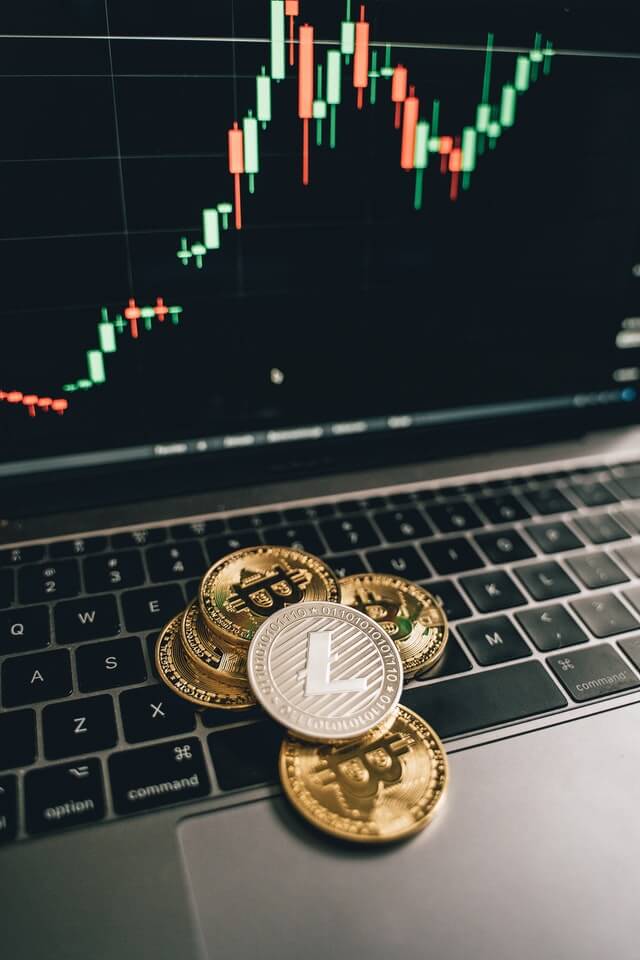
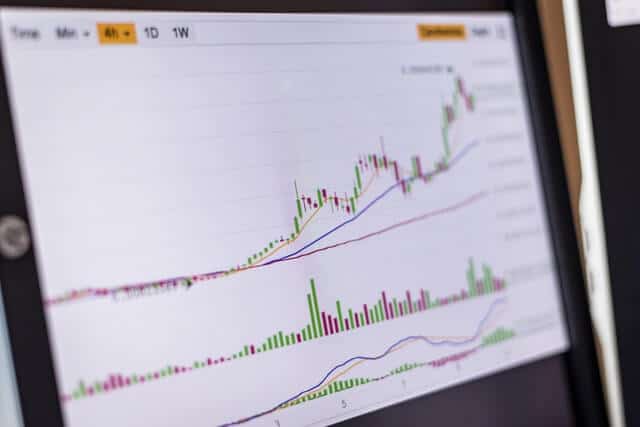
For example, if a signal suggests a long entry but the market is moving into major resistance, you may decide to reduce size, wait for confirmation, or skip the trade. That is not “disobeying” the signal. That is trading responsibly.
If you are new, start small. Use a demo account or minimal size first. Watch how the provider handles losing trades, not just winning ones. Anyone can look smart during a good week.
Do Professional Traders Use Signals?
Some do, but usually not as a complete substitute for analysis.
Professional traders are more likely to use signals as one input among several. They may use them to confirm bias, scan markets faster, or compare setups they already identified themselves. What they usually do not do is hand over all decision-making and hope for the best.
That is a useful model for retail traders too. Signals can support your trading, but they should not replace basic skills like reading price action, understanding volatility, and managing downside.
If you want more structure around setups and market timing, tools such as the AltAlgo indicator can help you compare signal alerts with your own chart analysis.
Can You Make Money With Trading Signals?
Yes, you can make money with trading signals. You can also lose money with them. Both outcomes are normal.
Profitability depends on several moving parts:
- signal quality
- your execution speed
- fees and spreads
- leverage used
- position sizing
- discipline with stop-losses
Even a provider with a strong record will still have losing trades and weaker periods. No signal service can remove market risk or predict every move with certainty.
That is why claims about easy money, passive income, or near-perfect accuracy should be treated carefully. In trading, those phrases usually age badly.
What Makes a Good Trading Signal?
A good trading signal is more than a buy or sell message. It should give you enough information to act responsibly.
At a minimum, a useful signal should include:
- the asset or market
- trade direction
- entry area
- stop-loss level
- take-profit target or targets
Better providers go further and add brief context, such as whether the setup is trend-following, breakout-based, or countertrend. They may also update the trade if conditions change after entry.
That extra context matters because signals are easier to trust when you can understand the logic behind them.
What Is AltSignals?
AltSignals is a trading signals provider covering crypto, forex, gold, and indices. Alongside signals, the platform also offers tools and market-focused resources for traders who want a more structured approach.
If you want to compare what a structured service should include, you can review AltSignals trading signals. The useful things to look for in any provider are the same: clear trade structure, transparent reporting, realistic communication, and a sensible approach to risk.
Final Thoughts
Trading signals can be reliable, but only when the provider is transparent and the trader using them is disciplined.
The best way to judge a signal service is simple: check how trades are structured, review performance reporting over time, test communication quality, and stay skeptical of anything that sounds too perfect.
If a provider treats signals as trade ideas with risk attached, that is a good start. If it treats them like guaranteed profits, walk away.
FAQ
Can trading signals ever be 100% accurate?
Are free trading signals reliable?
Some are useful, but many free signal groups are inconsistent or promotional. Free signals can be a good way to test formatting and communication, but they still need the same scrutiny as paid services.
What is the biggest red flag in a signal provider?
The biggest red flag is unrealistic marketing, especially guaranteed profits, hidden losses, or unverifiable screenshots. A trustworthy provider should be transparent about both wins and losses.
Should beginners use trading signals?
Beginners can use signals, but they should treat them as learning tools and trade ideas rather than instructions to copy blindly. Starting small and focusing on risk management is the safer approach.
How do I know if a signal service is worth paying for?
Look for clear trade structure, transparent reporting, realistic communication, and a service that matches your market and timeframe. If you cannot verify how it performs over time, paying for it is hard to justify.









No. Markets are uncertain by nature, and no provider can predict every move correctly. Any service claiming perfect accuracy should be treated with caution.