


Crypto day trading means opening and closing trades within the same day to try to capture short-term price moves. In practice, that usually means trading spot pairs or derivatives such as perpetual futures, then exiting before the session is over. The appeal is obvious: crypto moves fast. The catch is just as obvious: it can move against you just as fast.
For beginners, the most useful way to think about day trading is this: you are not investing in a coin’s long-term future. You are trading volatility, liquidity, and timing. That requires a plan, not just a chart and a hunch.
If you want the broader context first, start with our crypto trading guide.
What is crypto day trading?
Crypto day trading is the practice of buying and selling cryptocurrencies within the same trading day, without holding positions overnight. Traders aim to profit from intraday price swings in assets like Bitcoin, Ethereum, and liquid altcoins.
Unlike long-term investing, day trading focuses on short-term setups. A trader might hold a position for a few minutes, an hour, or several hours, but the core idea stays the same: enter, manage risk, and exit within the day.
Because crypto markets run 24/7, there is no official market close like there is in stocks. Even so, day traders still work around active trading windows, liquidity, and volatility rather than staring at charts all day.
How does crypto day trading work?
A typical crypto day trade starts with a setup. The trader identifies a market with enough liquidity, checks the trend or range, marks key support and resistance levels, and decides where to enter and where to get out if the trade fails.
Most day traders rely on technical analysis rather than long-term fundamentals. They look for short-term momentum, breakouts, pullbacks, or reactions around important price levels. The goal is not to predict every move. It is to find a repeatable edge and manage risk tightly.
In simple terms, the workflow usually looks like this:
- Choose a liquid market with active volume
- Define the setup before entering
- Set a stop-loss and a profit target
- Size the position so one bad trade does not do major damage
- Exit the trade the same day
That sounds straightforward on paper. The hard part is sticking to it when the market gets noisy.
Why traders choose day trading in crypto
There are a few reasons traders are drawn to this style:
- Volatility: Crypto often produces larger intraday moves than many traditional markets.
- 24/7 access: Traders can choose sessions that fit their schedule instead of waiting for a market open.
- Two-way opportunity: On many platforms, traders can look for setups on both rising and falling markets.
- No overnight exposure: Closing positions the same day can reduce the risk of waking up to a surprise move.
That said, more opportunity also means more temptation to overtrade. A lot of losing days start with a decent setup and end with three unnecessary trades after it.
Tools and indicators used by crypto day traders
Day traders usually keep their toolkit fairly simple. More indicators do not automatically mean better decisions.
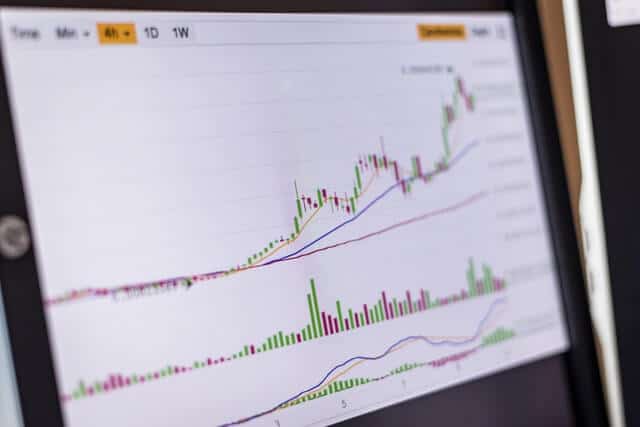
- Candlestick charts: The basic view for reading price action and structure
- Volume: Useful for judging whether a move has real participation behind it
- RSI: Often used to gauge momentum or spot stretched conditions
- MACD: Common for tracking momentum shifts and trend changes
- Support and resistance: Core levels for entries, exits, and invalidation
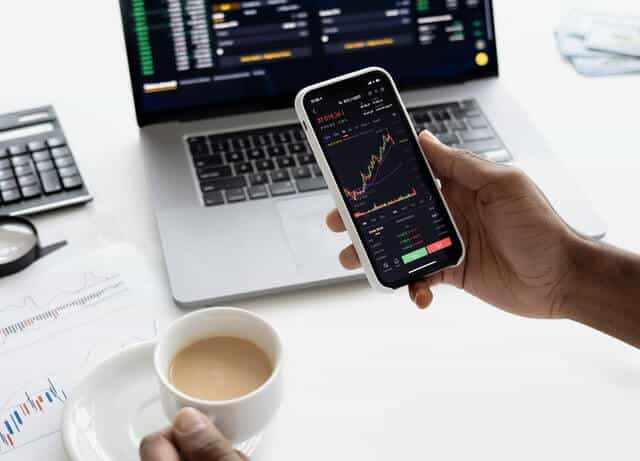
Many traders also use charting platforms such as TradingView to map setups and monitor alerts. If you want a more structured way to follow markets, some traders also use AltSignals trading signals alongside their own analysis rather than trying to monitor every move manually.
For a closer look at chart-based decision-making, see our guide to the AltAlgo indicator.
Popular crypto day trading strategies
Most crypto day trading strategies fall into a few familiar categories:
- Scalping: Taking multiple small trades to capture minor price movements. Fast, demanding, and usually not beginner-friendly.
- Breakout trading: Entering when price pushes through a key level with momentum and volume.
- Range trading: Buying near support and selling near resistance when the market is moving sideways.
- Trend pullback trading: Waiting for a retracement within an existing trend instead of chasing the initial move.
No strategy works all the time. The real difference usually comes from execution: waiting for clean setups, using consistent risk rules, and avoiding random entries because the chart looks active.
Why liquidity matters so much
Liquidity is one of the biggest practical filters in crypto day trading. A liquid market usually has tighter spreads, smoother execution, and less slippage. An illiquid market can look attractive because it is moving fast, but getting in and out at the price you want is another story.
That is why many day traders focus on major pairs and the most actively traded contracts. Thin markets can exaggerate moves, trigger poor fills, and make risk harder to control.


If you are trading intraday, liquidity is not a side detail. It is part of the setup.
Leverage: useful, but dangerous
Leverage lets traders control a larger position with a smaller amount of capital. That can amplify gains, but it also amplifies losses. In crypto, where price can move sharply in a short period, leverage can turn a manageable mistake into a very expensive one.
For example, a trader using perpetual futures may only need a small margin deposit to open a much larger position. If the trade moves the wrong way, losses can build quickly and liquidation becomes a real risk.
That is why leverage should be treated as a risk tool, not a shortcut to daily income. Newer traders are usually better off learning execution and risk control on lower exposure before adding leverage to the mix.
Regulators such as the U.S. SEC and the UK FCA have both warned that crypto assets and related trading products carry high risk, especially for retail participants.
Risks and best practices for crypto day traders
Crypto day trading can be profitable for some traders, but it is also one of the easiest ways to lose money quickly if you are underprepared. The main risks include volatility, slippage, fees, overtrading, and emotional decision-making.
Some practical rules help:
- Use a stop-loss: Know where the trade is wrong before you enter.
- Keep position sizes sensible: One trade should not decide your week.
- Track fees and funding: Costs matter more than many beginners expect.
- Avoid revenge trading: A bad trade does not need company.
- Keep a trading journal: Patterns in your behaviour are often more revealing than patterns on the chart.
- Practice first: Paper trading or very small size can help you test a process before risking more capital.
There is also a broader portfolio point worth remembering: risk management and position sizing usually matter more than chasing outsized returns on any single trade. Day trading is no exception.
Is crypto day trading suitable for beginners?
Usually, only in a limited and cautious way.
Beginners are often attracted to day trading because it looks active and exciting. The problem is that speed magnifies mistakes. If you are still learning how order types work, how to read market structure, or how to manage losses, intraday trading can become expensive tuition.
A better starting point is to focus on a small watchlist, one or two setups, and strict risk limits. Learn how the market behaves before trying to trade every move. Boring is underrated.
Final takeaway
Crypto day trading is simple to define and difficult to do well. You are trying to capture short-term price movement in a market that never sleeps, often using tools that can magnify both good decisions and bad ones.
If you approach it with a clear plan, realistic expectations, and disciplined risk management, it can be a structured trading style. If you approach it like a shortcut, the market tends to be very educational.
For readers who want a broader foundation before trading actively, our crypto trading guide is the best next step.
FAQ
What is the difference between crypto day trading and investing?
Can you day trade crypto without leverage?
Yes. Many traders use spot markets or low-exposure setups without leverage. For beginners, that is often the safer way to learn execution and risk management.
What is the biggest mistake new crypto day traders make?
Overtrading is near the top of the list. New traders often take too many setups, use too much size, or abandon their plan after one loss. Poor risk control usually does more damage than a weak strategy.












Day trading focuses on short-term price moves and usually closes positions within the same day. Investing is typically longer term and based more on broader conviction about an asset over months or years.